Materials Used in Custom Electronics Boxes and Their Importance
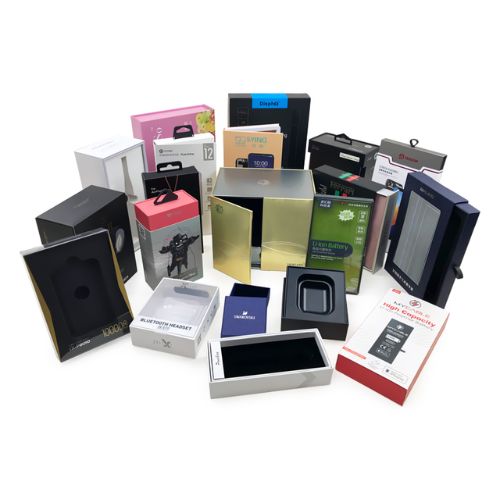
Electronic products are among the most delicate consumer goods in today’s market. From smartphones and smartwatches to circuit boards and accessories, these items require packaging that offers strength, stability, and protection against environmental factors. The choice of packaging material plays a major role in ensuring product safety throughout storage, shipping, and handling.
This is why custom electronics boxes from Dotline Packaging are designed using carefully selected materials that meet the specific needs of electronic products. Each material serves a unique purpose, whether it is absorbing shock, resisting moisture, or supporting branding requirements. Understanding these materials helps businesses make informed packaging decisions.
Why Material Selection Matters in Electronics Packaging
The internal components of electronic devices are sensitive to pressure, static electricity, dust, and humidity. Inadequate materials can lead to cracked housings, loose connections, or internal failures before the product reaches the customer.
Custom electronics boxes are engineered using materials that balance durability with flexibility. The right material not only protects the device but also ensures that packaging remains cost-effective, lightweight, and suitable for large-scale distribution. Material selection directly affects product integrity and customer satisfaction.
Corrugated Cardboard and Its Protective Role
Corrugated cardboard is one of the most commonly used materials in electronics packaging. It consists of fluted layers sandwiched between flat liners, creating a strong yet lightweight structure.
This material provides excellent shock absorption, making it ideal for shipping electronic devices over long distances. Corrugated cardboard also resists compression, which helps prevent damage when boxes are stacked during storage or transportation.
Another advantage of corrugated cardboard is its adaptability. It can be customized in thickness and strength depending on the weight and fragility of the electronic item being packaged.
Rigid Paperboard for Premium Electronics
Rigid paperboard is often used for high-end or luxury electronic products. It offers superior strength and a solid feel, which enhances perceived product value.
This material is commonly used for items such as smartphones, earbuds, and branded accessories. While rigid boxes are heavier than corrugated ones, they provide excellent protection against crushing and external impact.
Rigid paperboard also supports high-quality printing and finishing, allowing brands to create a polished and professional appearance.
Kraft Paperboard for Sustainable Packaging
Sustainability has become a key concern for electronics brands. Kraft paperboard is widely used due to its eco-friendly properties and reliable strength.
This material is biodegradable, recyclable, and made from natural fibers. It offers decent durability while supporting environmentally responsible packaging goals. Kraft paperboard is often chosen by brands aiming to reduce their environmental footprint without compromising product safety.
Its natural appearance also appeals to eco-conscious consumers, adding value to the brand image.
Importance of Internal Packaging Materials
The outer box alone is not enough to protect electronic products. Internal materials play a critical role in maintaining stability and preventing movement inside the box.
Custom electronics packaging often includes inserts, dividers, or padding made from cardboard, molded pulp, or foam alternatives. These materials hold devices and accessories firmly in place, reducing the risk of scratches and impact damage.
Common Internal Materials Used in Custom Electronics Boxes
Cardboard inserts for organized compartmentalization
Molded pulp trays for eco-friendly cushioning
Foam or paper-based padding for shock absorption
Anti-static liners for sensitive electronic components
These internal materials enhance protection while maintaining an efficient packaging layout.
Anti-Static Materials and Their Significance
Electrostatic discharge (ESD) is a hidden threat to electronic components. Static electricity can damage internal circuits without visible signs, leading to performance issues later.
To prevent this, anti-static materials are sometimes integrated into custom electronics boxes. These materials help neutralize static charges and protect sensitive components such as processors and circuit boards.
Anti-static coatings, liners, or specialized inserts are especially important for electronics used in industrial, medical, or technical applications.
Moisture-Resistant Materials for Environmental Protection
Humidity and moisture can cause corrosion and internal damage to electronic devices. Moisture-resistant materials help reduce this risk during shipping and storage.
Certain paperboard materials are treated with protective coatings to resist moisture absorption. Additionally, custom packaging allows space for desiccants that regulate humidity levels inside the box.
This added layer of protection ensures electronics remain functional even when transported through varying climates.
Comparison of Common Materials Used in Electronics Packaging
Understanding how different materials perform helps brands choose the right option for their products.
| Material Type | Key Benefits | Common Use |
|---|---|---|
| Corrugated Cardboard | Lightweight, shock-resistant | Shipping electronics |
| Rigid Paperboard | Strong, premium appearance | High-end devices |
| Kraft Paperboard | Eco-friendly, recyclable | Sustainable packaging |
| Molded Pulp | Biodegradable, cushioned | Internal trays |
| Anti-Static Liners | Prevents static damage | Sensitive components |
Each material serves a specific purpose, and combining them strategically improves overall packaging performance.
Supporting Branding and Printing Requirements
Material choice also affects branding. Smooth paperboard surfaces support high-quality printing, embossing, and finishes that enhance visual appeal.
Custom electronics boxes can include logos, product information, and handling instructions printed directly onto the material. Durable materials ensure that printed elements remain clear and intact throughout the supply chain.
This consistency strengthens brand identity and improves the customer’s unboxing experience.
Long-Term Storage and Durability
Electronics are often stored for extended periods before reaching consumers. Packaging materials must maintain their shape and protective qualities over time.
High-quality paperboard materials resist warping, tearing, and compression, ensuring long-term durability. This helps preserve both the product and the packaging itself, especially for electronics distributed in bulk.
Conclusion
The materials used in custom electronics boxes play a critical role in protecting sensitive electronic products and maintaining their quality from production to delivery. From corrugated cardboard and rigid paperboard to eco-friendly kraft materials and anti-static liners, each option offers unique advantages.
By selecting the right combination of materials, brands can improve product safety, support sustainability goals, enhance branding, and reduce damage-related costs. Thoughtful material selection is not just a packaging choice—it is a strategic decision that contributes to long-term brand success and customer trust.